





Most Readers Judge a Book by Its Cover. Here’s Why It Matters
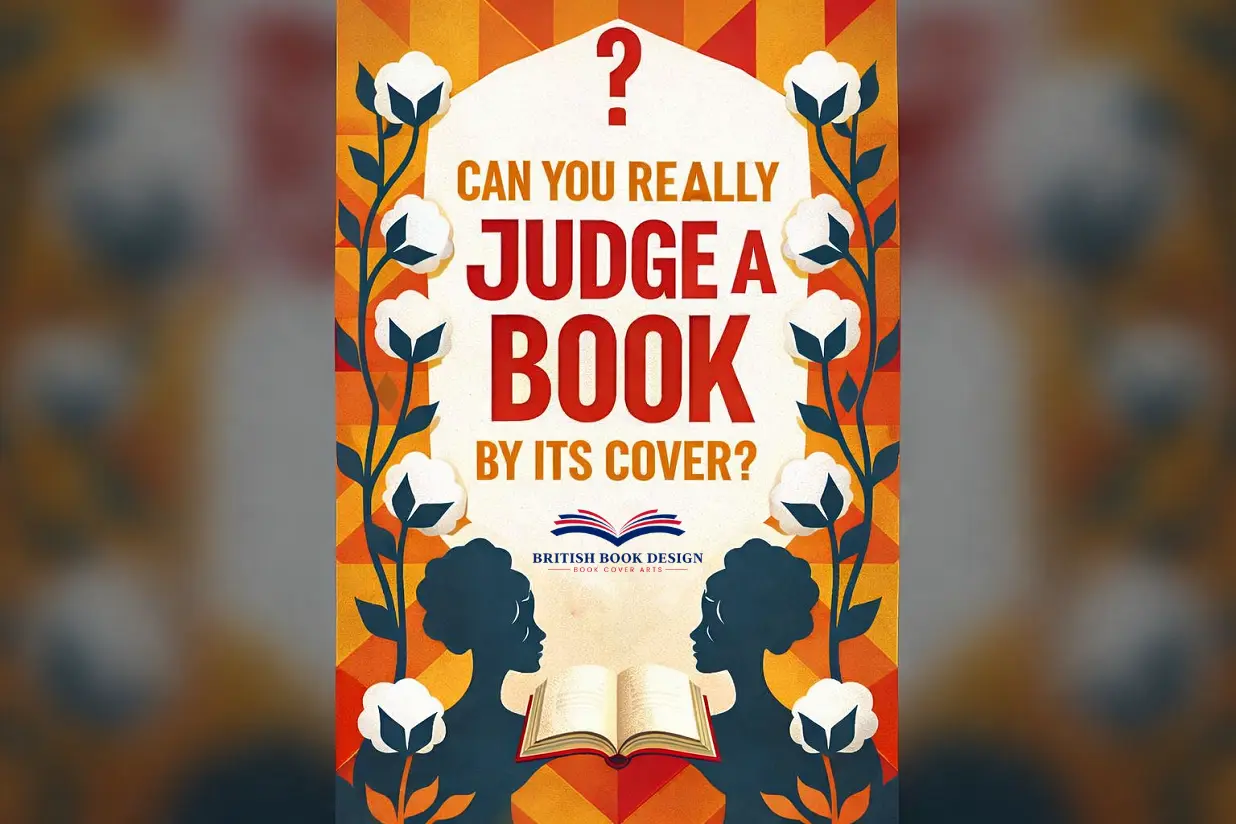
You have done the hard part. You wrote the book. The words are sharp. The story lands. Now imagine your book sits in a sea of thumbnails. One second of attention. Maybe less.
What makes a reader stop scrolling?
Most readers don’t mean to judge a book by its cover. They just do. A colour catches the eye. A title feels right. A cover promises a mood before a single page is turned.
In that instant, the decision is made.
Click, or keep moving.
Do you remember how you judged the last book you bought?
Did you read the blurb first, or did the cover pull you?
Let’s find out.
Why book covers shape first impressions more than words
Before a reader reads your first line, they read your cover.
We all say don’t judge a book by its cover, but let’s be honest, we all judge books by their covers.
It sets expectations in seconds. Genre, tone, and emotional depth are all communicated visually, often without the reader realising it.
Typography hints at voice. Clean serif fonts suggest literary depth. Bold sans-serifs feel modern and direct.
Colour choices trigger emotion. Dark colors suggest mystery, soft hues suggest romance, and high contrast suggests energy or tension.
Even spacing matters. A crowded cover can make the reader feel overwhelmed, while thoughtful white space shows the book’s confidence and professionalism.
In bookstores and online stores, readers compare covers before they even read blurbs. A well-designed cover reassures the reader about the book.
The psychology behind judging a book by its cover
The readers’ brains make quick decisions. Studies show that people form an impression in under 50 milliseconds. A book by cover works the same way. Before logic steps in, emotion reacts.
Readers subconsciously ask:
- Does this feel like my kind of story?
- Do I trust this author?
- Does this look professionally made?
A well-made cover signals effort, credibility, and care. A weak one raises doubt, even if the writing is brilliant. According to publishing industry insights, books with professionally designed covers can achieve sales 35-50% higher than those without.
How covers instantly communicate genre
Readers rely on visual shortcuts and judge book by cover. Covers act as genre signposts.
| Genre | Common Cover Elements | Reader Expectation |
| Romance | Soft colors, couples, flowing fonts | Emotion, intimacy |
| Thriller | Dark tones, sharp typography, shadows | Suspense, danger |
| Fantasy | Illustrated worlds, symbols, epic fonts | Escape, adventure |
| Literary Fiction | Minimal design, abstract imagery | Depth, meaning |
| Young Adult | Bold colors, expressive characters | Energy, relatability |
Famous books where the cover became iconic
Some covers become a part of the story, not just sell them.
- The Great Gatsby: The haunting eyes and glowing city lights mirror Gatsby’s obsession and longing. The cover feels mysterious, just like the character, and adds to the genre of horror book covers.
- Harry Potter Series: Illustrated covers introduced readers to a magical world before they even met Harry, Hermione, or Ron. Each cover promised wonder.
- The Hunger Games: The Mockingjay symbol became synonymous with Katniss Everdeen herself. Simple. Powerful. Memorable.
- Gone Girl: Minimalist design with sharp typography reflected Amy Dunne’s cold, unsettling psychology.
In each case, the cover didn’t explain the story. It hinted at it. That is what book editing services do to make readers curious.
Characters begin on the cover
Readers often meet the protagonist visually before emotionally. A silhouette, an expression, or even a symbolic object can define how a character is perceived.
Think of:
- Katniss’s mockingjay pin
- Gatsby’s distant stare
- The wand in Harry’s hand
These visuals shape expectations. They create familiarity. When readers open the book, it feels like meeting someone they already recognise, and it creates an experience of book covers as posters.
A good cover doesn’t lie, it aligns
A book cover aligns with the story’s tone, genre’s expectations, and readers’ emotions, quietly and honestly.
When the cover promises a dark thriller and delivers real suspense, readers feel satisfied. When a soft, romantic book cover classic design opens into a tender love story, trust is built. This alignment creates a smooth experience where nothing feels out of place, from the first glance to the final page.
The best covers don’t shout. They resonate.
They attract the right readers, set the right mood, and make the story feel exactly as it should, before a single word is read.
The cover is the first story you tell
Before your characters speak, your beautiful covers for books do. It introduces the mood, hints at the conflict, and whispers what kind of journey lies ahead.
An image can show heartbreak, hope, mystery, or magic.
A typeface can feel gentle, sharp, playful, or serious.
Together, these choices begin the storytelling long before chapter one. Readers see and feel the cover. And when that first silent story feels right, they are ready to listen to the rest.
The hidden power of a book cover
Most authors focus on their writing and think readers do not judge a book by its cover, but readers make their first decision in seconds, and the cover is often the deciding factor.
Research shows that humans process visuals 60,000 times faster than text.
It is no wonder that books with professional covers often sell 35-50% more than self-designed or generic ones. A great cover communicates quality, credibility, and story promise. All before a single word is read.
How colours, fonts, and layouts speak volumes
Every design choice subtly signals what readers can expect:
- Colours: dark blues and blacks hint at mystery or suspense, pastels reflect romance or light-hearted tales, and fiery reds can suggest action or intensity.
- Fonts: serif fonts often feel classic or literary, and handwritten or decorative fonts show whimsy or creativity.
- Layout: clean, minimalist designs suggest sophistication and clarity, while bold, dynamic layouts communicate excitement and adventure.
For example,
The cover of Gone Girl uses sharp typography and minimalist black-and-white imagery, perfectly matching the story’s dark, psychological tone. Conversely, the colourful, illustrated covers of Percy Jackson immediately signal an energetic, fantastical adventure.
These book covers don’t shout, “Never judge a book by its cover.” Instead, they attract the reader.
Characters come alive before the first page
If you judge a book by its cover, you know how a cover often introduces the protagonist before the story begins. Symbols, silhouettes, or even facial expressions can create instant recognition.
- Harry Potter, with his wand and lightning scar, immediately signals magic and curiosity.
- Katniss Everdeen’s mockingjay pin embodies rebellion, courage, and identity.
- Jay Gatsby’s distant gaze on The Great Gatsby’s cover hints at longing and mystery.
These visuals prime readers emotionally, making them feel connected to the character before they even meet them in the text.
Online marketplaces make covers more crucial than ever
In the digital age, covers compete in tiny thumbnail form. On platforms like Amazon or Goodreads:
- The cover must be legible at a glance
- It needs to stand out against hundreds of similar titles
- It should instantly communicate genre and tone
Digital publishing studies show that books with high-contrast, visually clear covers receive up to 30% more clicks in online searches.
A well-designed thumbnail can be the difference between a reader exploring your book or scrolling past it. These platforms can cover your book cover design cost UK in just a few days.
Common mistakes to avoid
Design your own book cover perfectly with the help of a professional design service to avoid these common mistakes:
| Mistake | Why It Hurts | Example |
| Overcrowded design | Confuses the reader | Too many characters, fonts, or symbols competing for attention |
| Misleading genre cues | Attracts the wrong audience | A romantic font on a horror novel may frustrate readers |
| Poor readability | Hard to notice or remember | Tiny text on thumbnails or cluttered layouts |
| Low-quality images | Signals amateur design | Pixelated or stock-heavy visuals undermine trust |
Avoiding these pitfalls ensures your cover works as a bridge between your story and the reader.
When the cover and story align, magic happens
Book publishing services create covers that reflect the story’s tone, genre, and intended audience, creating a smooth reader experience.
Examples:
The Hunger Games’ mockingjay icon mirrors Katniss’s journey and rebellion.
The Night Circus’s intricate black-and-white cover shows the story’s magical, mysterious atmosphere.
When readers open the book, and the cover matches their expectations, they feel satisfied and ready to immerse themselves in a new world.
The silent story that sells
Ultimately, your cover is the first story your book tells. Design book cover to let readers understand the personality of your story.
It introduces mood, hints at plot, and builds emotional connections, all silently.
Before a single word is read, your cover shapes the reader’s expectation. A well-crafted design sets the stage for the journey, builds trust, and lays the groundwork for the story within.
Remember, your words matter. But your cover? It is the first conversation with your reader, the one that often decides everything.
Wrapping it up
Readers may say they care most about the story, but the cover is what invites them in. It is the first signal of quality, genre, and emotion. The quiet promise that says, This book is for you.
A strong cover doesn’t compete with the writing. It supports it. When design and story align, readers trust the journey before it even begins. They click. They buy. They read on. Because in a world of endless choices, the cover isn’t just packaging. It is the first story you tell and often, the reason your story gets read at all.